Japan's dining scene isn't just about Michelin stars or crowded ramen joints in Shibuya. If you're willing to look beyond the guidebooks, you'll find hidden gem restaurants that offer unforgettable meals without the tourist markup. I've spent years exploring back alleys and local neighborhoods, and here's my take on where to find these secret spots—think small sushi counters, family-run izakayas, and places so discreet you might walk past them twice.
Quick Navigation
What Are Hidden Gem Restaurants in Japan?
Let's cut to the chase. A hidden gem restaurant in Japan isn't just a place with good food. It's often tiny, maybe seating only 10 people, run by a chef who's been at it for decades, and tucked away in a residential area. These spots rarely have English menus or flashy signs. Why? They cater to locals who value consistency over hype. I remember one time in Osaka, I followed a recommendation from a taxi driver to a basement okonomiyaki place. No website, just a handwritten sign. Best meal of my trip.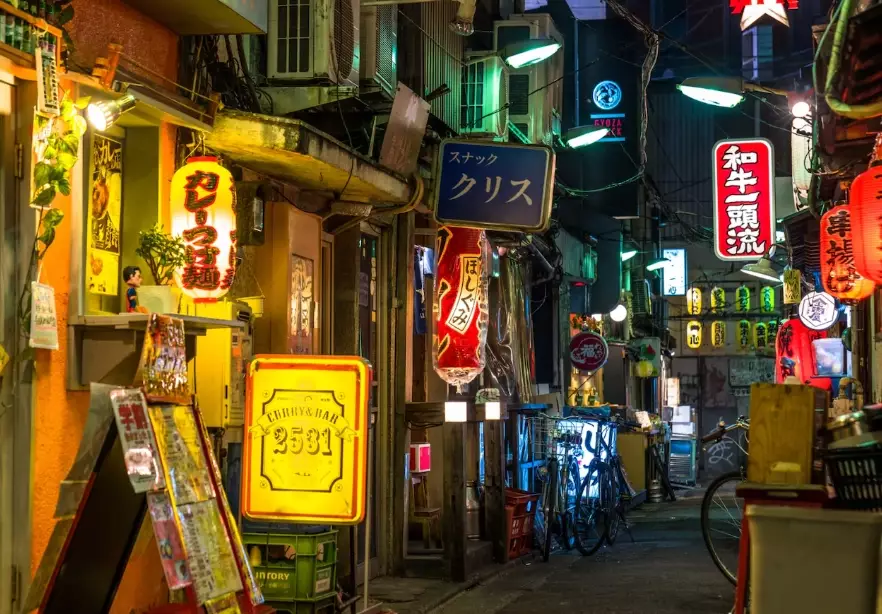
Common traits: limited seating (think 5-15 seats), cash-only policies, and hours that can be unpredictable. They're not trying to be difficult—they're focused on the food. If you're after an authentic experience, these are the places to hit.
How to Find Hidden Gem Restaurants in Japan
Forget Google Maps reviews topped with English comments. Here's a strategy that works: start by asking hotel concierges in smaller, boutique hotels. They often have partnerships with local joints. Another trick is to wander around stations like Shinjuku or Ueno after 8 PM and look for places with salarymen queueing outside. If it's all Japanese folks, you're onto something.
I also rely on local food blogs and forums, like Tabelog (Japan's version of Yelp), but filter for spots with high ratings but fewer than 50 reviews. That's where the gems hide. A mistake I see tourists make is sticking to areas like Ginza or Dotonbori. Venture into neighborhoods like Koenji in Tokyo or Fushimi in Kyoto. You'll thank me later.
Pro tip: Many hidden gem restaurants require reservations, often only by phone and in Japanese. If you're not fluent, use a hotel concierge or a service like Pocket Concierge. Don't just show up—you might get turned away.
Top Hidden Gem Restaurants by Region
I'll share three personal favorites across major cities. These aren't ranked; they're just spots I've returned to multiple times. Each has its own charm, and I've included specifics so you can plan your visit.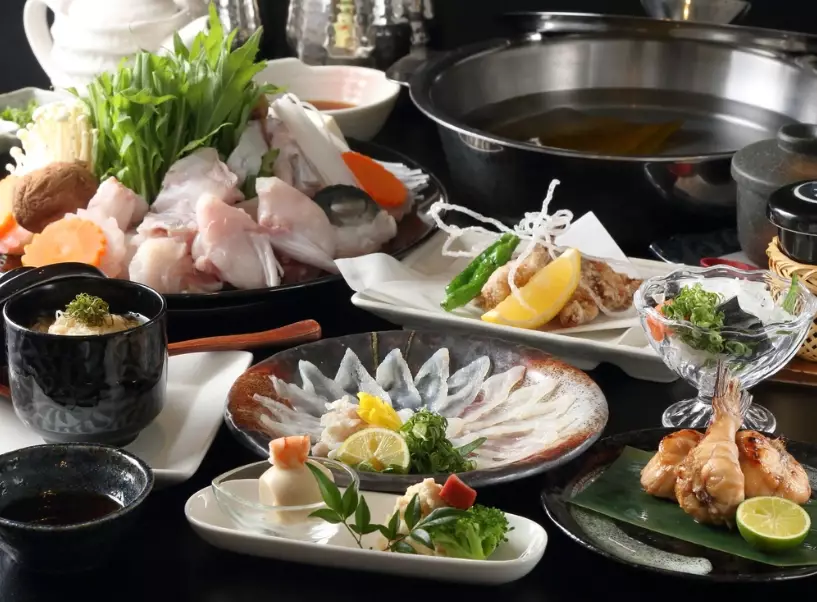
Tokyo: Sushi Kado in Shinjuku
This is a six-seat sushi counter run by an older couple. No website, no English signage. You'll find it down a narrow alley near Shinjuku Station. The chef sources fish from Tsukiji Market daily, and the omakase course costs around ¥8,000 per person. It's cash-only, and they're open from 6 PM to 11 PM, closed on Sundays. Address: 3-5-2 Shinjuku, Shinjuku-ku, Tokyo (look for the blue noren curtain). I went there last year and the uni was so fresh it melted in my mouth. But fair warning: the space is cramped, and if you're tall, you might bump your head.
Kyoto: Kikunoi Annex in Gion
Not to be confused with the main Kikunoi (which is famous and pricey), this annex is a smaller, more intimate kaiseki experience. It's family-run, with about 12 seats, and focuses on seasonal ingredients from Kyoto's mountains. A meal here runs about ¥12,000 per person. They're open for lunch (11:30 AM-2 PM) and dinner (5:30 PM-9 PM), but you need to book weeks ahead. Address: 570 Gionmachi Minamigawa, Higashiyama-ku, Kyoto. I love how the owner explains each dish in broken English—it adds to the charm. However, the location can be tricky to find; use a map app and look for the wooden gate.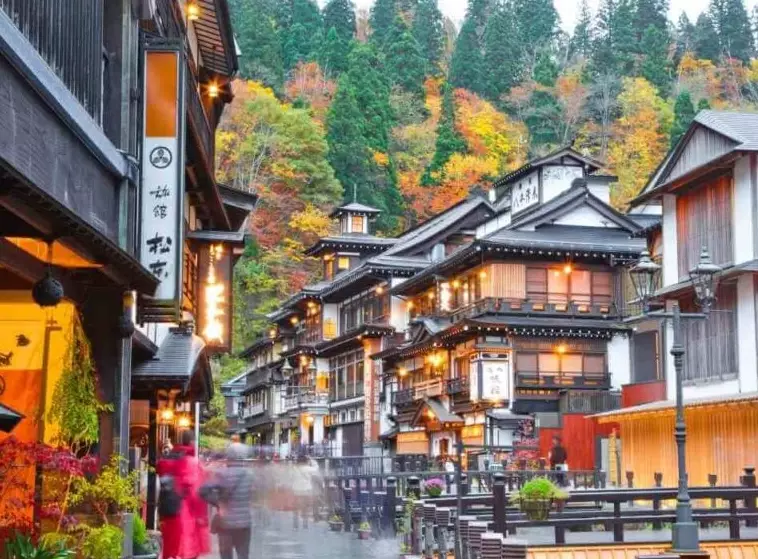
Osaka: Okonomiyaki Chitose in Namba
Tucked in a back alley near Namba Station, this place has been serving okonomiyaki for over 30 years. It's standing-room only, with about 8 spots at the counter. The special is the negiyaki (a thinner version with green onions), priced at ¥1,200. Open from 5 PM to midnight, closed on Tuesdays. Address: 2-3-5 Namba, Chuo-ku, Osaka. The chef is a grumpy old man who might ignore you if you're noisy, but the food is worth it. I've seen tourists get frustrated with the lack of service, but that's part of the experience—it's no-frills dining.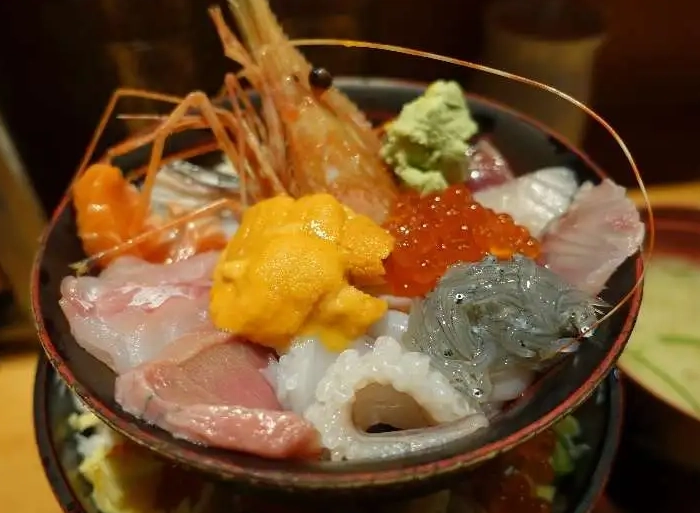
| Restaurant | Location | Specialty | Price Range (per person) | Hours |
|---|---|---|---|---|
| Sushi Kado | Shinjuku, Tokyo | Omakase Sushi | ¥8,000 | 6 PM-11 PM (Closed Sun) |
| Kikunoi Annex | Gion, Kyoto | Kaiseki | ¥12,000 | Lunch 11:30 AM-2 PM, Dinner 5:30 PM-9 PM |
| Okonomiyaki Chitose | Namba, Osaka | Negiyaki | ¥1,200 | 5 PM-Midnight (Closed Tue) |
These are just starters. For more options, check out resources like the Japan National Tourism Organization's website for regional food guides, or look up "B-grade gourmet" spots—they're often hidden gems.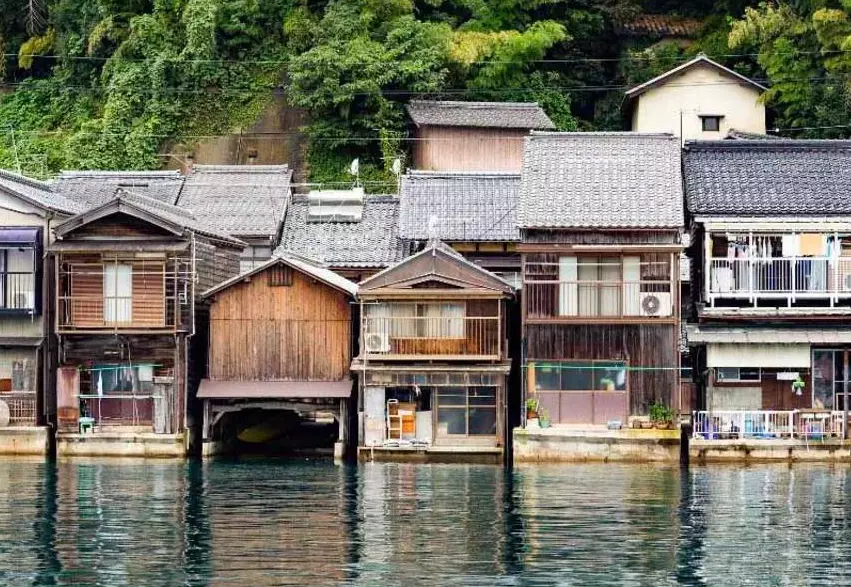
Practical Tips for Your Visit
Dining at these places requires a bit of prep. First, always carry cash. Many don't accept cards. Second, learn a few Japanese phrases: "sumimasen" (excuse me) and "oishikatta" (it was delicious) go a long way. I've noticed that chefs appreciate the effort, even if you butcher the pronunciation.
Timing matters. Go early for dinner, around 5:30 PM, to avoid lines. Or try lunch—some hidden gems offer cheaper sets then. For example, a tempura place in Asakusa I know does a ¥1,500 lunch but charges double at night.
Another thing: don't be afraid to point at what others are eating if there's no menu. It's how I discovered a amazing tonkatsu place in Hiroshima once. The locals laughed, but they helped me order.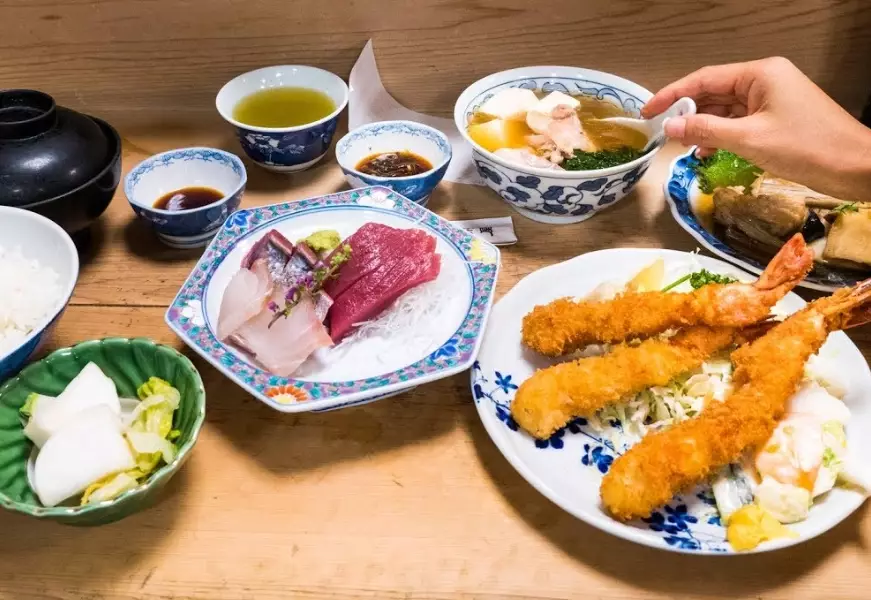

Share Your Thoughts