When you think of Japan in winter, images of powdery Hokkaido ski slopes or steaming onsens in Hakone probably come to mind. They're popular for a reason. But the real magic, the kind that feels like a secret shared just with you, happens off those well-trodden paths. It's in the silent forests where trees transform into frozen giants, at tiny local festivals where flames dance on snow, and in family-run izakayas where the warmth comes from a hot pot and a smile. This is a guide to that Japan—the hidden gems that make a winter trip unforgettable.
Your Winter Adventure Map
- The Mystical World of Frost-Covered Trees (Juhyo & Sazanami)
- Secret Snow Country Onsen: Beyond the Tourist Hot Springs
- Small-Town Snow Festivals: Where Community Shines
- Winter Comfort Food in Local Haunts
- How to Plan Your Hidden Gems Winter Trip
- Photographing Japan's Winter Secrets
- Your Questions Answered
The Mystical World of Frost-Covered Trees (Juhyo & Sazanami)
Forget the crowds at the Sapporo Snow Festival for a moment. Deeper, quieter wonders await. The phenomenon of "Juhyo" (ice trees) or "Snow Monsters" is famous around Zao Onsen, but even there, most visitors stick to the gondola route and the main viewing platform. The trick is timing and perspective.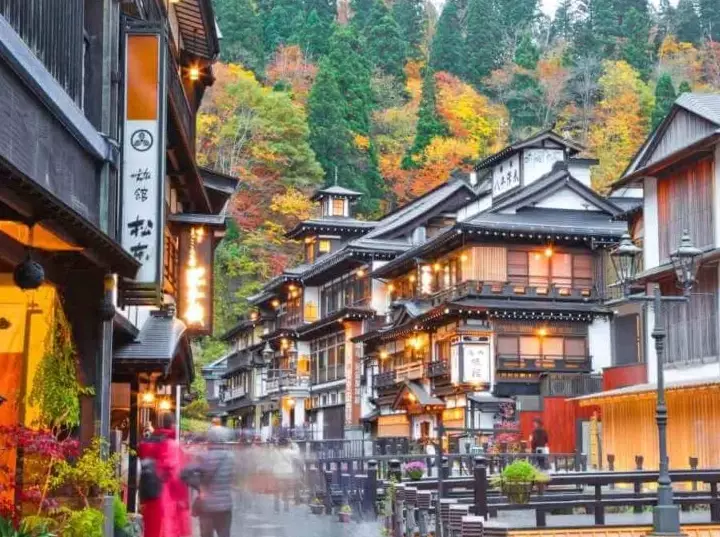
Head to the less-heralded Aomori Hakkoda Mountains. The ropeway here glides over a sea of frost-covered trees that feels utterly primordial. It's quieter, cheaper, and in my view, more dramatic because you're right in the middle of it. The ropeway operates winter schedules (usually 9:00-15:40, but check for weather closures). A round trip costs about 2,000 yen. From Aomori Station, take the JR bus bound for Sukayu Onsen for about 70 minutes. Get off at "Hakkoda Ropeway."
An even deeper cut is the search for "Sazanami" (rippled ice) on Lake Akan in Hokkaido. This isn't about trees, but about the lake surface freezing in perfect, wave-like patterns—a rare sight needing perfect, windless cold. You won't find big tour buses here. Local guides (like those from the Akan Tourism Association) offer early morning walks when the ice is most stable and pristine. It's a commitment—you have to get up before dawn and be flexible with weather—but that's what makes it a true gem.
Pro Tip Everyone Misses: The light for seeing Juhyo is best just after sunrise or just before sunset. The low angle makes the ice crystals glitter. Midday visits, which most package tours do, flatten the magic. At Zao, instead of just riding the gondola up and down, get off at the top and walk the short, packed-snow trails. You'll leave 90% of the people behind and find yourself alone with the monsters.
Secret Snow Country Onsen: Beyond the Tourist Hot Springs
Yes, Kusatsu and Gero are great. But the onsens that linger in your memory are the ones you almost didn't find. I'm talking about rustic, often family-run bathhouses in the Snow Country regions of Niigata, Yamagata, and Akita.
Take Nyuto Onsen Village in Akita. It's known, but within it, Tsuru-no-Yu is the standout hidden experience. It's the oldest, with milky, sulfuric waters and mixed-bathing outdoor baths (rotemburo) surrounded by deep snow. There's no flashy resort hotel here; you stay in a creaky, charming old ryokan. The address is 50 Kokuyurin, Tazawako, Senboku City, Akita. A day visit to the baths costs around 600 yen. Getting there requires a bus from Tazawako Station followed by a transfer to the onsen shuttle—a journey that filters out the casual visitor.
Then there are the true local secrets—onsens not listed in major guidebooks. Finding these often requires asking at a local tourism office or even your ryokan owner. In Yamagata's Shonai region, I once was directed to a tiny, free-asahi (natural hot spring) foot bath behind a roadside station, overlooking a snow-blanketed valley. No one else was there. That's the goal.
| Onsen Name | Region | Key Feature | Access & Note |
|---|---|---|---|
| Tsuru-no-Yu | Akita (Nyuto) | Ancient mixed-gender rotemburo, milky water | Bus+shuttle from Tazawako St. Rustic lodging only. |
| Ginzan Onsen (Not-so-hidden but unique) | Yamagata | Taisho-era wooden inns along a snowy river gorge | Best visited after day-trippers leave. Stay overnight. Bus from Oishida St. |
| Various "Free Asahi" (自然浴場) | Snow Country roadsides | Free, simple, incredibly local | Ask at local tourism offices. Often just a concrete basin with a view. |
Small-Town Snow Festivals: Where Community Shines
Sapporo's festival is an engineering marvel. The smaller festivals are a window into the soul of a community. They're not about competing for who has the biggest ice sculpture; they're about tradition, warmth, and sharing.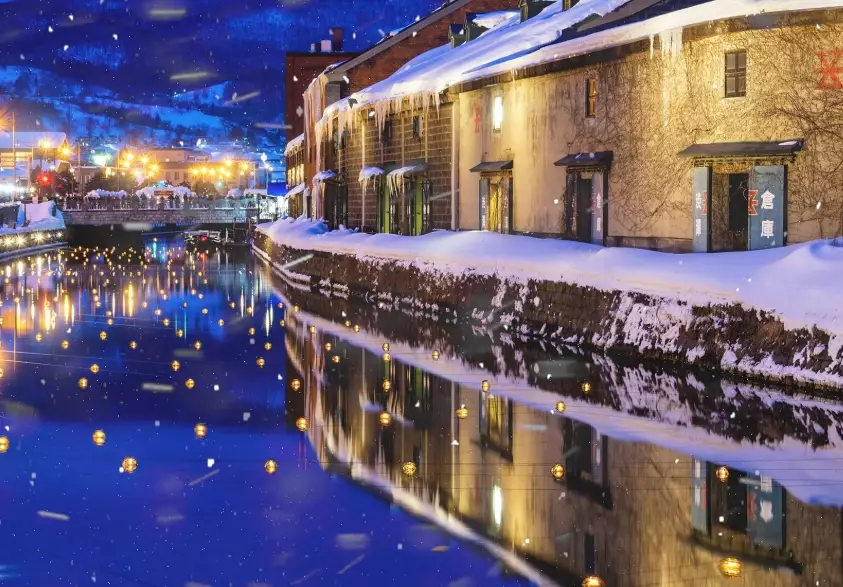
The Yokote Kamakura Festival in Akita (Feb 15-16) is the perfect example. Hundreds of small snow huts (kamakura) dot the city. Inside each, a family or group of friends sits around a charcoal brazier, roasting mochi and offering amazake (sweet sake) to visitors. You're not just a spectator; you're invited in. It's intimate and profoundly welcoming. The main areas are around the city center, free to walk around.
Up in Aomori, the Uesugi Snow Lantern Festival in Yonezawa (mid-February) is another stunner. Thousands of hand-made snow lanterns line the paths of Matsugasaki Park, each with a flickering candle inside. It's silent, poetic, and feels miles away from the commercial buzz of larger events. These festivals rely on community volunteers, and you can feel that pride.
The common mistake? Trying to hit too many. Pick one, stay in that town for the night, soak in the atmosphere after the main event when the day-trippers have left. That's when you'll have the best conversations with locals.
Winter Comfort Food in Local Haunts
Winter cuisine here is about survival and comfort. In Tohoku, it's Kiritanpo Nabe. In Nagano, it's Oyaki (stuffed buns) grilled over a hearth. But the gem isn't just the dish—it's where you eat it.
Skip the fancy restaurant in the station building. Look for the izakaya with steamed-up windows and salarymen smoking outside. In Akita City, wander the backstreets near the station to find places like Izakaya Hanamori (not a chain, there are a few with this name). They'll serve local sake and a mean kiritanpo nabe for the table for around 3,000-4,000 yen. No English menu? Point at the pot on the next table. That's how you do it.
In the Iiyama region of Nagano, known for its heavy snow, seek out a traditional farmhouse restaurant (minshuku that serves meals). They'll serve Nozawana (pickled greens) and hearty stews you won't find in Tokyo. The address is often just a village name; finding it is part of the adventure. The Japan National Tourism Organization's regional websites are gold for finding these spots.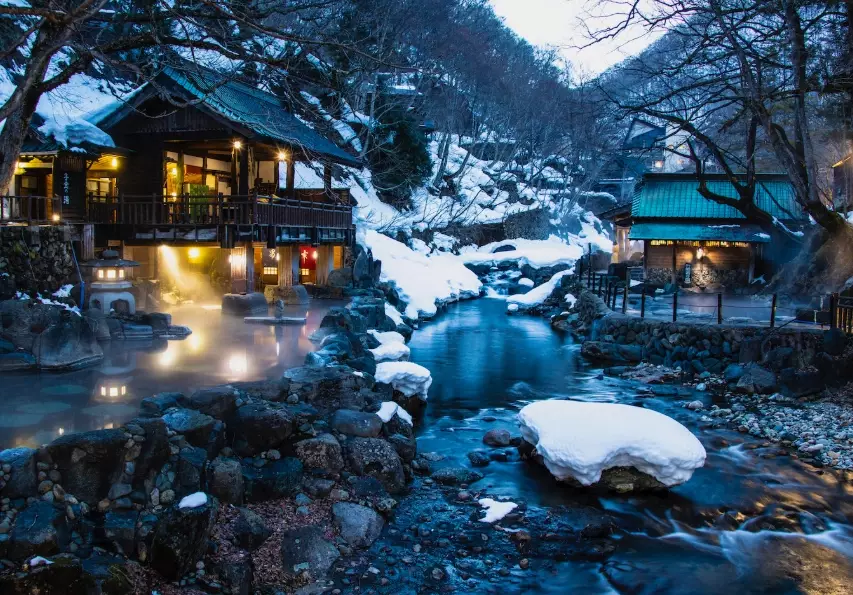
How to Plan Your Hidden Gems Winter Trip
This isn't a plug-and-play Tokyo-Kyoto itinerary. It requires a bit more thought, but the payoff is huge.
Route Suggestion: The Tohoku Snow & Spirit Loop
- Days 1-2: Tokyo to Aomori. Fly or take the Shinkansen. Base yourself in Aomori City. Day trip to Hakkoda Ropeway for Juhyo. Evening: sample fresh seafood at the Furukawa Fish Market (not just for breakfast).
- Days 3-4: Aomori to Akita. Rent a car (highly recommended for flexibility in snow country). Drive along the coast to the Shirakami Mountains (a UNESCO site). Stay at Tsuru-no-Yu in Nyuto Onsen. If timing aligns, visit the Yokote Kamakura Festival.
- Days 5-6: Akita to Yamagata. Drive inland. Visit Ginzan Onsen for the night. Next day, explore Yamagata City and its temple district, Yama-dera, which is breathtaking in snow (but requires careful footing).
- Day 7: Return to Tokyo via Shinkansen from Yamagata or Sendai.
Transport Key: The Japan Rail Pass works on Shinkansen, but for the real hidden spots, you'll need to supplement with local buses, the occasional taxi, or better yet, a rental car with snow tires. Don't fear driving in Japan; roads in these areas are well-maintained.
Photographing Japan's Winter Secrets
Your phone will die quickly in the cold. Keep it in an inner pocket. For cameras, carry spare batteries in a warm pocket. The biggest technical issue is the camera's light meter being fooled by all the white snow—your photos will come out grey. Learn how to use exposure compensation (+1 to +2 stops) to make the snow look white.
More importantly, capture the feeling. Shoot through the steamed window of an izakaya. Get a close-up of the textures in the sazanami ice or the thatched roof of a farmhouse weighted with snow. Always ask before photographing people, especially at intimate festivals. A smile and a nod go a long way.


Share Your Thoughts