You've seen the pictures of Shibuya Crossing, the torii gates of Fushimi Inari, and the deer in Nara. But what about the Japan that exists just beyond the postcard? The one where you can hear your own footsteps in a centuries-old warehouse district, or share a counter with a local craftsman over a bowl of noodles you won't find on any viral social media list? That's the Japan I've spent years seeking out. This isn't about skipping the classics; it's about building a richer, more nuanced trip by weaving in places that feel discovered, not just visited.
Your Quick Jump List
1. Kurashiki's Canals: Japan's "Little Venice" Without the Crowds
Most travelers heading to Okayama Prefecture make a beeline for the famous black Okayama Castle or the Korakuen Garden. They completely bypass Kurashiki Bikan Historical Quarter, and that's their loss. Imagine a network of willow-lined canals from the Edo period, flanked by iconic white-walled kura (warehouses) with black tiling, now housing indie art museums, cafes, and craft shops. The pace here is slow, meditative.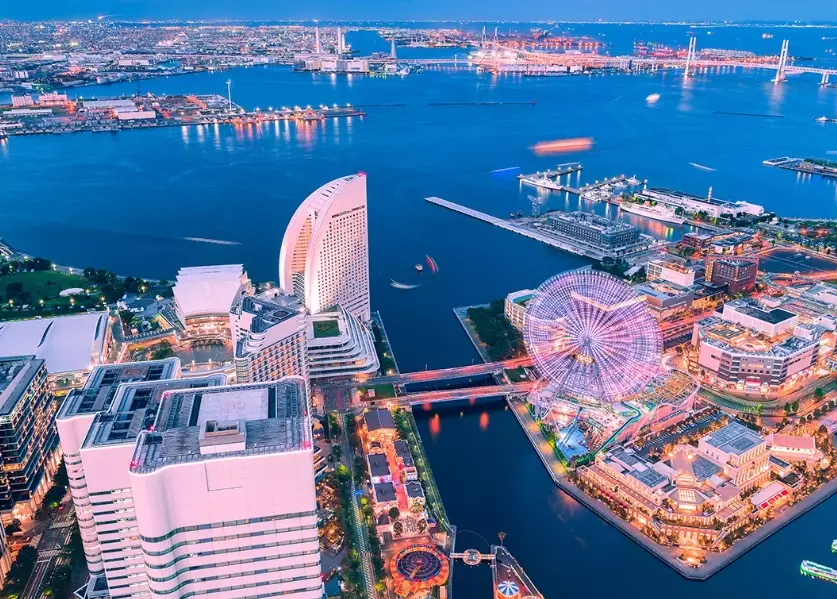
Getting There & Details: A short 15-minute walk from Kurashiki Station (itself about 1 hour from Osaka or Okayama by Shinkansen and local train). No entrance fee for the quarter itself. The Ohara Museum of Art (housing Western masterpieces) costs about 1,500 yen. The best time? Weekday mornings, before the day-trippers from Osaka arrive.
My tip? Skip the main canal for a moment and get lost in the backstreets behind the Ohara Museum. You'll find tiny shrines, traditional homes, and a stillness that feels miles away from modern Japan.
2. Teshima Art Museum: An Architectural Feeling
Everyone talks about Naoshima, the art island. It's fantastic, but it's also firmly on the tourist trail. Its lesser-known neighbor, Teshima, offers a more raw and profound artistic experience. The Teshima Art Museum isn't a building full of objects. It's the object itself.
Designed by architect Ryue Nishizawa and artist Rei Naito, it's a seamless, white concrete shell open to the elements, with two oval openings to the sky. Inside, water droplets emerge from the floor, moving and merging in a silent, mesmerizing dance dictated by the terrain and wind. You don't just look at art here; you sit on the floor and feel the humidity, hear the birds outside, and become part of the installation. It recalibrates your senses.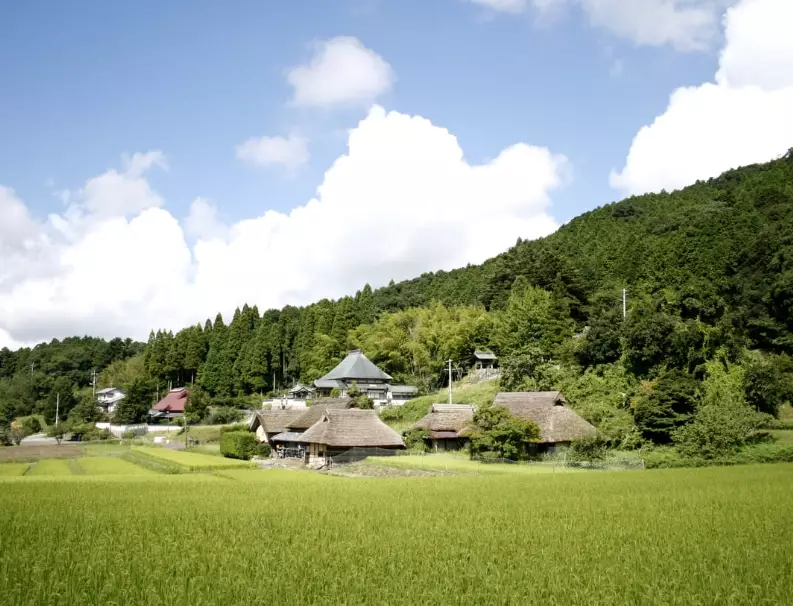
Getting There & Details: Requires planning. Ferry from Takamatsu Port or Uno Port (near Okayama) to Ieura Port on Teshima. The museum is a bus or rental bicycle ride away. Admission is 1,570 yen. Book tickets online in advance—they limit entry. Check the official Setouchi Triennale site for ferry and museum schedules, as they change seasonally.
The Common Mistake on Teshima
People try to rush it. They see the museum, maybe one other site, and leave. The magic of Teshima is in renting an electric bicycle (the hills are no joke) and discovering the scattered art projects—a abandoned house filled with mirrors, a seaside installation—and the island's own rhythm. Pack a lunch, find a quiet cove.
3. Shimokitazawa's Izakaya Alleys: Tokyo's Secret Kitchen
Golden Gai in Shinjuku is famous for its tiny bars, but it's also expensive and can feel like a theme park. For a genuine, affordable, and mind-blowingly delicious local izakaya (pub) experience, head to Shimokitazawa. Behind the trendy thrift stores and theaters, a network of narrow, lantern-lit alleys houses dozens of micro-izakaya, each seating maybe 8 people.
We're talking about places with no English menu, where the chef grills kushiyaki (skewers) over binchotan charcoal right in front of you, and a frosty mug of draft beer costs 400 yen. The vibe is warm, loud, and incredibly welcoming if you show basic respect and curiosity.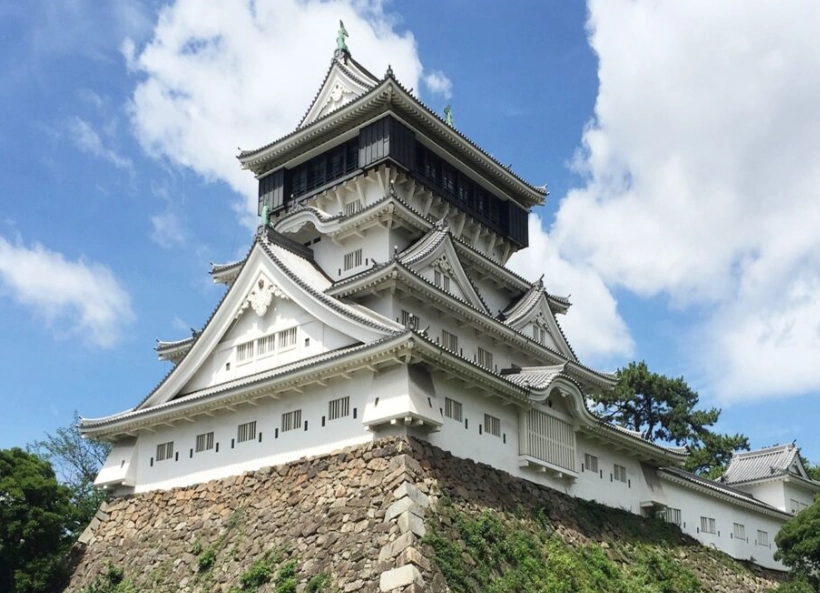
How to Find Them & Behave: Go to the area north of Shimokitazawa Station. Look for alleys with red lanterns and steam. Point at what looks good on other tables or in the glass display case. Say "kore, onegaishimasu" (this, please). A simple "oishii" (delicious) goes a long way. Don't linger for hours after you're done eating—these spots turn over quickly.
4. Mount Koya's Okunoin Cemetery at Night
Okunoin, Japan's largest and most sacred cemetery, is breathtaking by day. But at night, it transforms. Staying in a shukubo (temple lodging) on Koyasan grants you the privilege of joining the guided night tour offered by some temples. Walking the two-kilometer path through a forest of over 200,000 moss-covered tombstones and ancient cedars, lit only by stone lanterns and your guide's flashlight, is hauntingly beautiful and deeply spiritual.
You'll learn stories of feudal lords, company memorials for loyal employees, and the quiet philosophy of Japanese Buddhism. The silence is absolute, broken only by the guide's whispers and the rustle of the trees. It's not scary; it's peaceful in a way that's hard to describe.
Getting There & Details: Koyasan is a journey—train from Osaka Namba to Gokurakubashi, then a cable car up the mountain, then a bus. It's a full-day trip, but an overnight stay is essential. Temple lodgings like Eko-in or Fukuchiin offer the night tour (included or for a small fee), vegetarian Buddhist cuisine (shojin ryori), and morning prayers. Book months ahead. The Japan National Tourism Organization site has reliable booking links.
5. Shiroishi's Samurai District: A Time Capsule in Fukushima
While Kakunodate in Akita gets the samurai town fame, Shiroishi's Aizu-Komagata Samurai Residences offer a more intimate, untouched feel. This is a real neighborhood where descendants of samurai still live in some houses. You can walk into several preserved residences for a small fee (around 300-500 yen each), seeing the earthen floors, hidden rooms, and traditional gardens exactly as they were.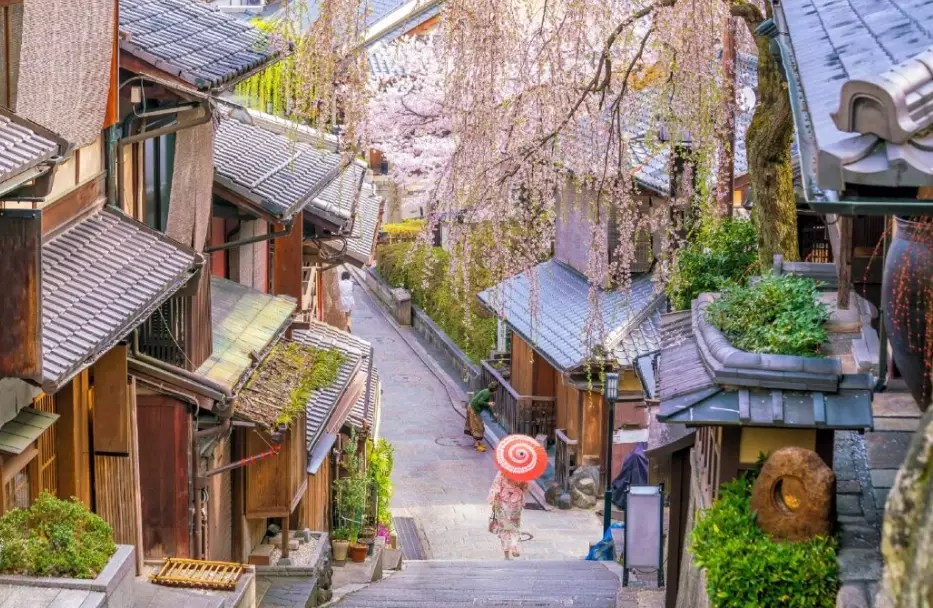
The standout is the Ohashi Residence. It's not a museum replica; it feels like the family just stepped out. You get a profound sense of the daily life, constraints, and aesthetics of the warrior class.
Getting There & Details: Shiroishi is about 2 hours by Shinkansen from Tokyo Station (change at Fukushima Station). The district is a 20-minute walk from Shiroishi-Zao Station. Combine it with a visit to the nearby Shiroishi Castle (a faithful reconstruction). The area is still recovering from 2011 perceptions, but it's safe, welcoming, and desperately needs respectful tourism.
6. Kanazawa's Hidden Tea House District: Higashi Chaya (The Real One)
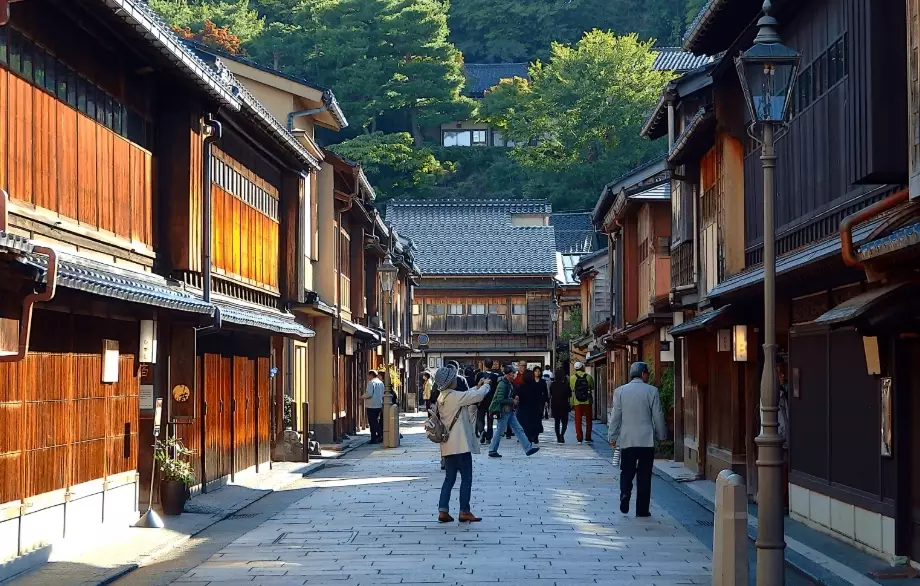
Kanazawa's Higashi Chaya District is beautiful, but its main street is often packed. Ninety percent of visitors miss the real gem: the parallel backstreets and the Shima Geisha House tucked away within them.
While the front street has shops selling gold leaf ice cream, the back alleys are residential. You'll see geisha and maiko (apprentices) quietly shuffling between engagements, hear the faint sound of shamisen practice from behind wooden lattices, and see the simple, elegant facades of the actual working tea houses. The Shima Geisha House, now a museum, is a perfectly preserved time capsule showing the elegant yet surprisingly compact world of the geisha.
It’s a lesson in looking beyond the obvious photo spot.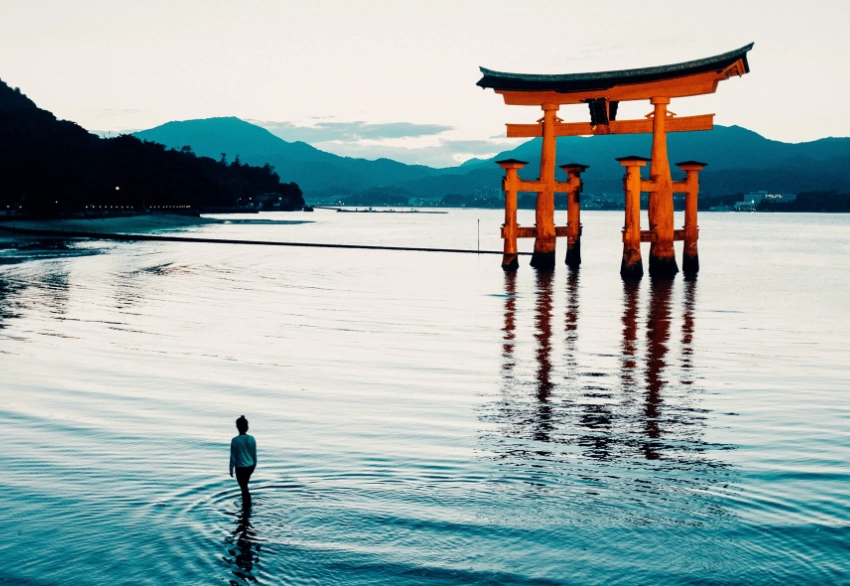
7. Yakushima's Mossy Forest Trails (Beyond the Famous Jomon Sugi)
Yakushima, a UNESCO World Heritage island south of Kyushu, is known for the arduous hike to the Jomon Sugi, a 7,000-year-old cedar. That hike is epic, but it's also a 10-hour marathon. For a more accessible, and in some ways more magical, experience of Yakushima's primeval forest, head to the Yakusugi Land courses or the Shiratani Unsuikyo Ravine.
Shiratani Unsuikyo is a network of well-maintained trails winding through a forest so thick with moss it feels like walking on emerald velvet. The air is cool and damp, the sound of rushing water is constant, and sunlight filters through the canopy in ethereal beams. It's the forest that inspired Studio Ghibli's Princess Mononoke, and you'll feel it immediately. You can do a 3-hour loop that feels like a journey into another world.
Getting There & Details: Fly to Kagoshima, then take a high-speed jetfoil or ferry to Yakushima. Renting a car is highly recommended. Entrance to Shiratani Unsuikyo is about 500 yen. Essential gear: Waterproof hiking boots (not sneakers), a rain jacket (it rains almost daily), and layers. The weather changes in minutes.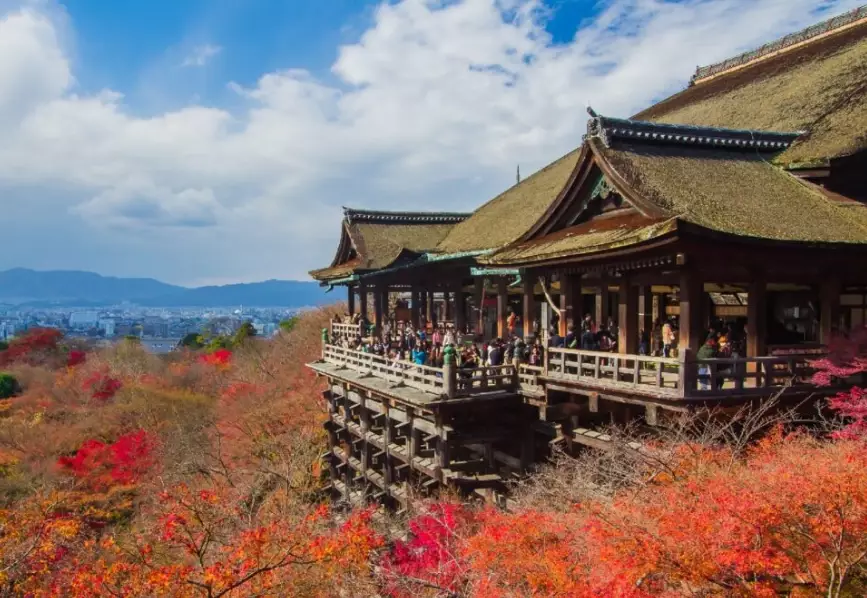


Share Your Thoughts